




By HYO Martial Arts
- 2026-08-14
Back-to-School Behavior Changes in Kids: 7 Things Parents Should Know
The beginning of a new school year can bring excitement, new friendships, and new opportunities—but it can also bring changes in behavior, energy, focus, and emotions.
Why Does My Child Act Differently After School Starts?
Summer often gives children more flexibility. Bedtimes may be later, mornings may be slower, schedules may change from day to day, and children may have more control over how they spend their time.
Then school begins.
Suddenly, children are expected to wake up earlier, follow classroom rules, manage social relationships, complete academic tasks, listen for long periods, transition between activities, and regulate their emotions throughout the day.
Even children who are happy to return to school may need time to adjust. Parents may notice behavior at home that seems surprising because their child appeared to do well at school all day.
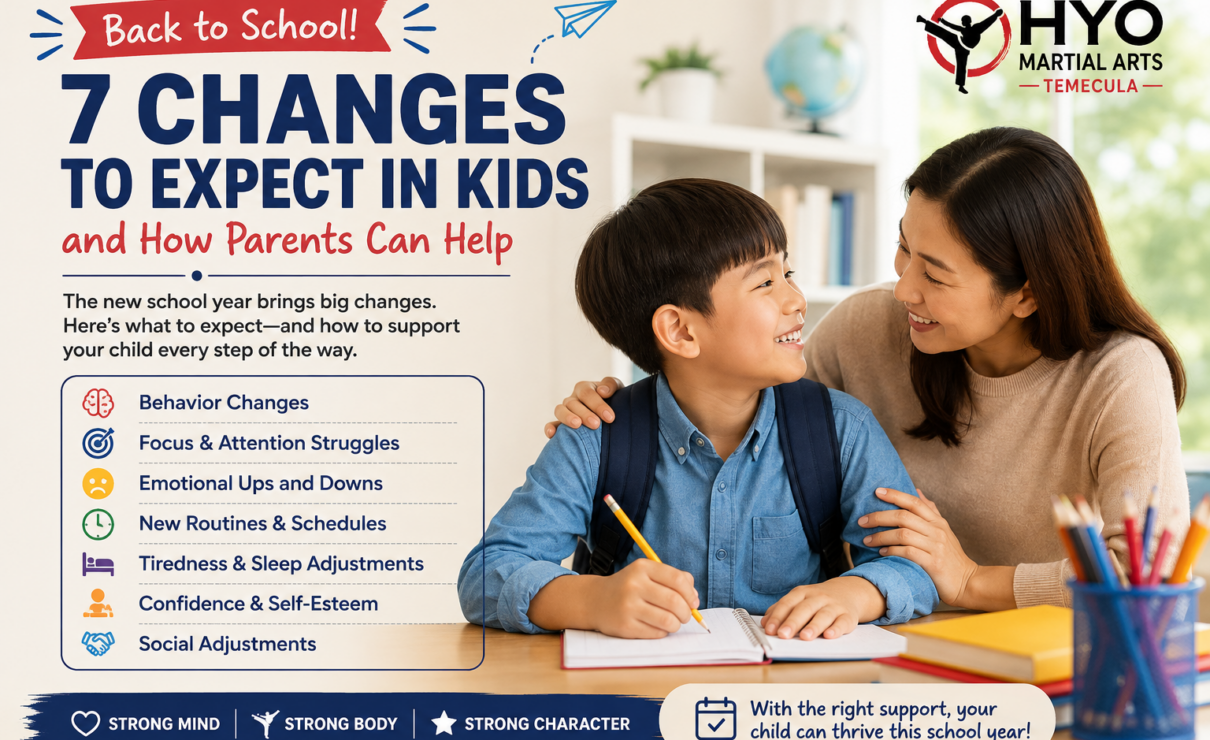
7 Common Back-to-School Changes Parents May Notice
More Tired Than Usual
Early mornings, longer periods of concentration, physical activity, and new routines can make children noticeably more tired during the first weeks of school.
Increased Irritability
A child who seems calm at school may become frustrated more easily at home. Fatigue, hunger, transitions, and emotional overload can all contribute.
Difficulty Focusing After School
After concentrating throughout the school day, some children may struggle to immediately begin homework or another mentally demanding activity.
Resistance in the Morning
Complaints about getting dressed, eating breakfast, or leaving for school can sometimes be part of adjusting to a more demanding routine.
Emotional Ups and Downs
New teachers, classmates, expectations, and social situations can create excitement and uncertainty at the same time.
Temporary Changes in Confidence
Children may compare themselves with classmates academically, socially, or physically and temporarily become less confident.
Wanting More Downtime
Some children want quiet time, snacks, play, or physical movement before they are ready to talk about their school day.
What Can Parents Do at Home?
During the first weeks of school, consistency can be more helpful than adding more pressure. Children generally benefit from knowing what will happen next and what is expected of them.
Rebuild Sleep Routines
Gradually return to consistent bedtime and wake-up schedules so mornings feel less stressful.
Create Predictable Routines
Establish consistent times for meals, homework, physical activity, showering, and bedtime.
Listen Before Correcting
When children are overwhelmed, listening first can help parents understand what is actually causing frustration.
Why After-School Structure Matters
After school, children often need a transition between the highly structured school environment and home.
This does not necessarily mean they need more academic work immediately. Many children benefit from physical movement, clear expectations, social interaction, and activities that allow them to succeed in a different way.
A healthy after-school routine can give children an opportunity to move their bodies, release energy, practice listening skills, complete manageable challenges, and experience progress.
How Martial Arts Can Support the Back-to-School Transition
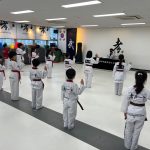
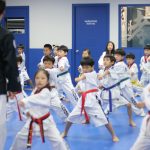
Martial arts training can provide a structured environment that is very different from sitting in a classroom.
Children move, listen, respond, practice techniques, follow directions, work with partners, and complete achievable goals. These activities can reinforce many of the skills that children also need during the school year.
Focus
Students practice listening to instructions and directing their attention toward one task at a time.
Discipline
Consistent class expectations help children practice following routines even when they feel tired or distracted.
Confidence
Learning a new skill, improving a kick, memorizing a form, or earning positive feedback gives children visible evidence of progress.
Respect
Students practice respectful communication, waiting their turn, working with partners, and responding appropriately to instructors.
Don’t Expect Perfect Behavior Immediately
The first few weeks of school are a transition period. Parents may sometimes feel that routines established during the previous school year have disappeared.
That does not necessarily mean the child has lost those skills.
Children often need time to rebuild endurance for early mornings, classroom expectations, homework, sports, social relationships, and extracurricular activities.
Instead of expecting immediate perfection, focus on consistent improvement.
When Should Parents Ask for Additional Help?
Many back-to-school adjustments improve as routines become familiar. However, parents should pay attention when a child’s difficulties are persistent, severe, or significantly interfere with normal daily life.
Martial arts can be an excellent part of a child’s support system, but it should never be presented as a replacement for appropriate educational, psychological, or medical support when those services are needed.
Back to School with Confidence
A successful school year is not only about grades.
Children also need confidence, resilience, self-control, communication skills, healthy movement, and the ability to continue trying when something feels difficult.
Parents can help by providing consistent routines at home, allowing children appropriate time to adjust, encouraging healthy physical activity, and creating opportunities for children to experience success outside of the classroom.
When home, school, and extracurricular activities work together, children have more opportunities to practice the habits that help them grow.
Frequently Asked Questions
Is it normal for children to be more tired when school starts?
Yes. A new schedule, earlier mornings, increased concentration, social interaction, and physical activity can temporarily increase fatigue while children adjust.
Why is my child emotional after school?
Some children use significant energy regulating their attention and behavior during school. At home, where they feel comfortable, those emotions may become more visible.
Should children have activities after school?
The right amount depends on the individual child. Structured physical activities can be beneficial when they provide movement, positive social interaction, achievable challenges, and adequate time for rest.
Can martial arts help children with focus and confidence?
Martial arts classes regularly require children to listen, follow directions, practice skills, work toward goals, and respond to feedback. These experiences can provide opportunities to practice focus, self-control, and confidence.
Help Your Child Start the School Year Strong
Discover how structured martial arts training can support focus, discipline, confidence, respect, and healthy physical activity throughout the school year.
Educational information only. This article is not intended to diagnose or treat medical, developmental, or mental health conditions.